
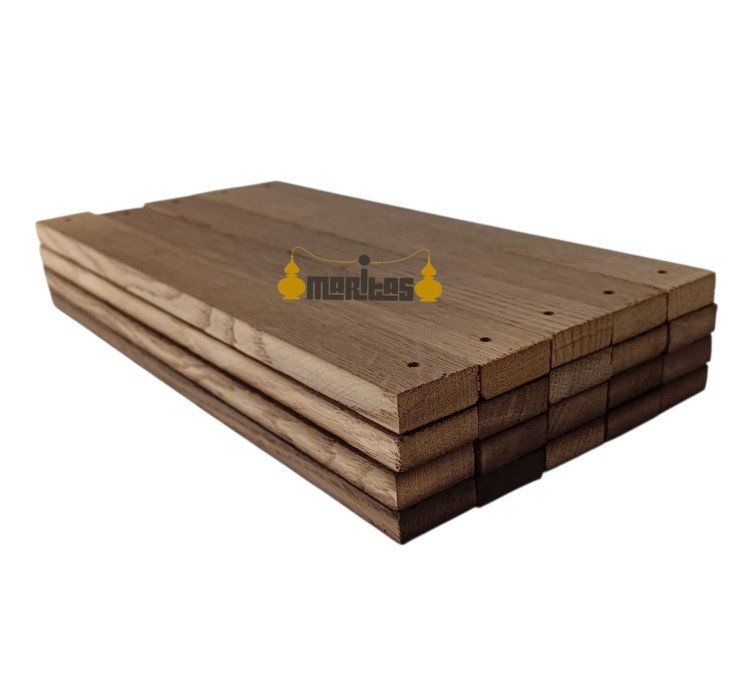
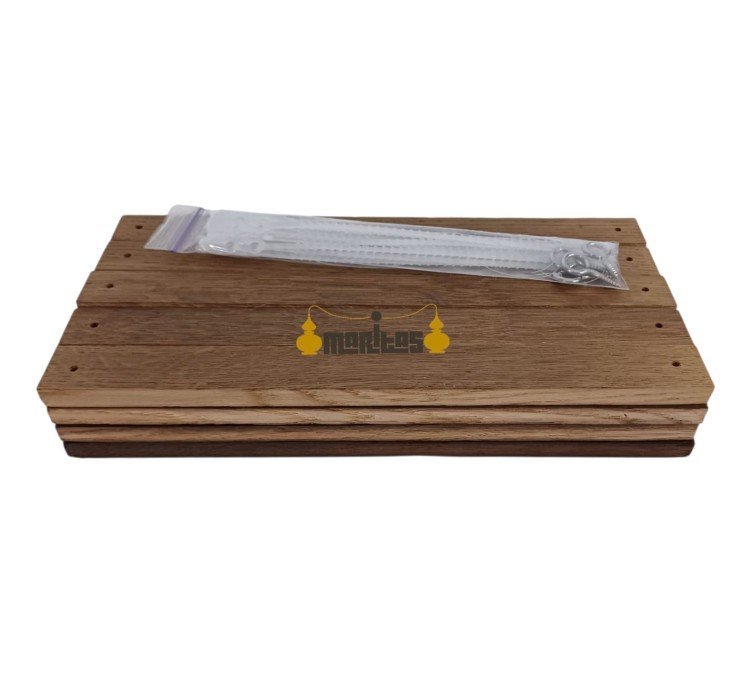
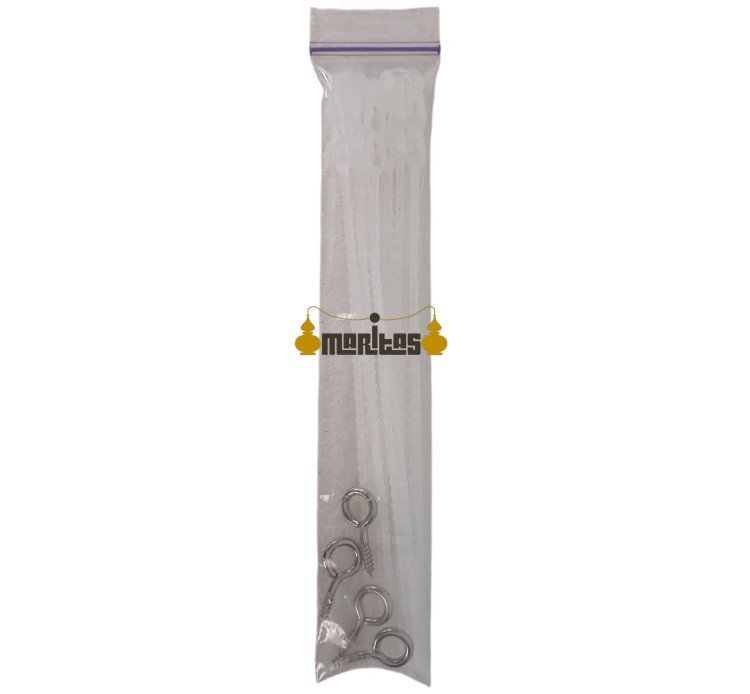
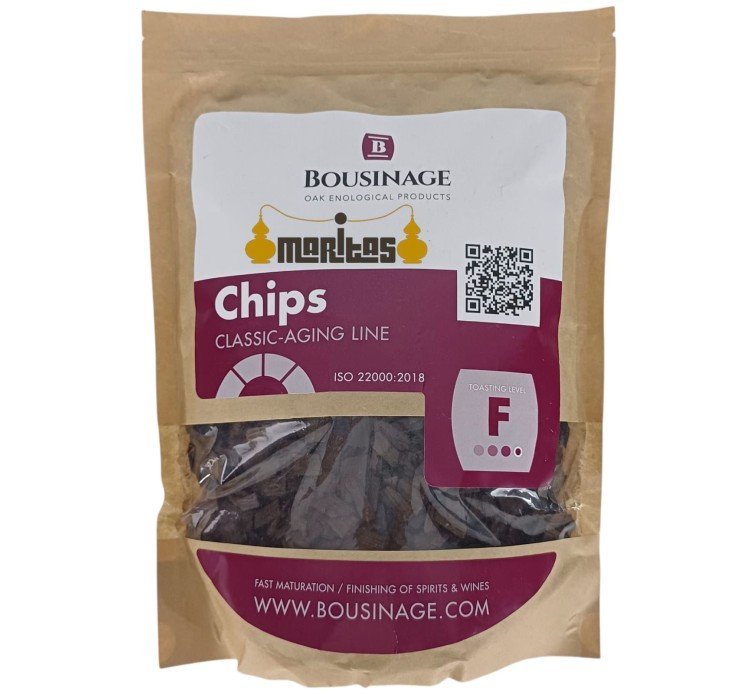
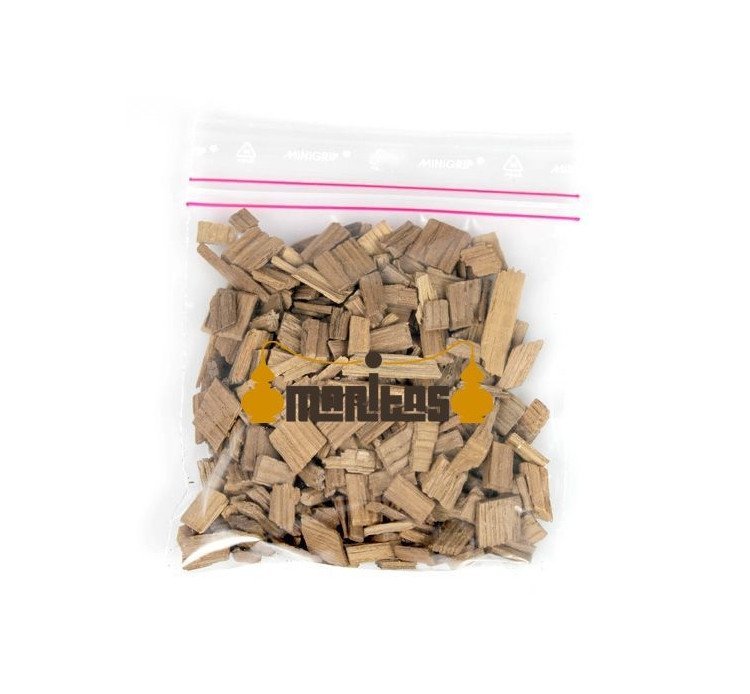
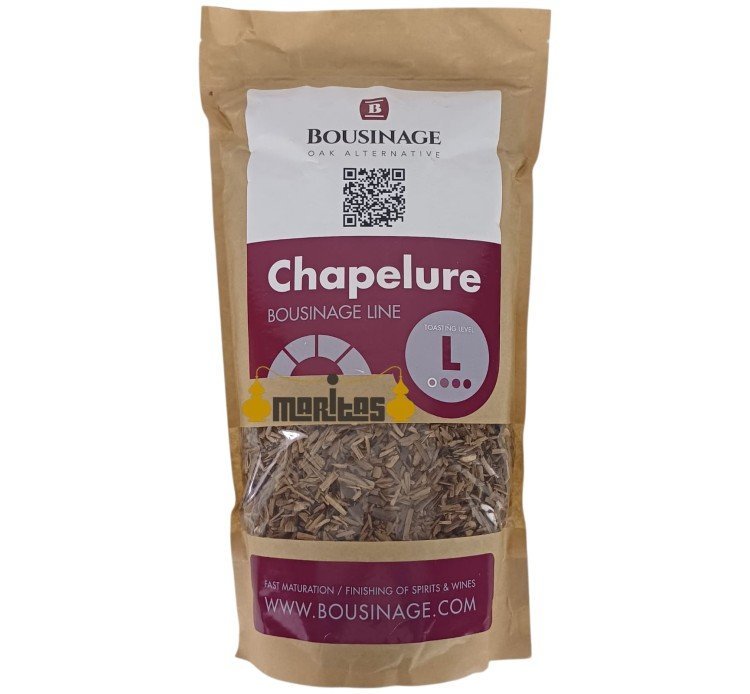
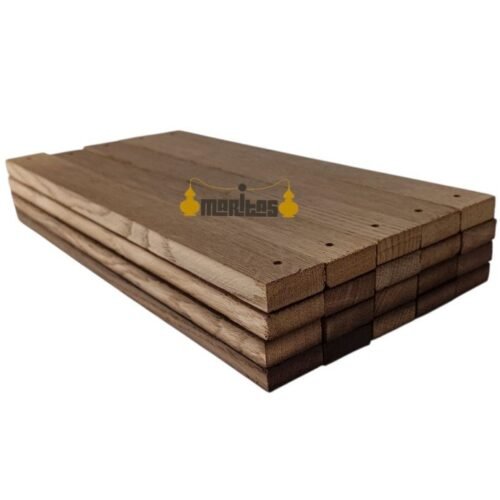
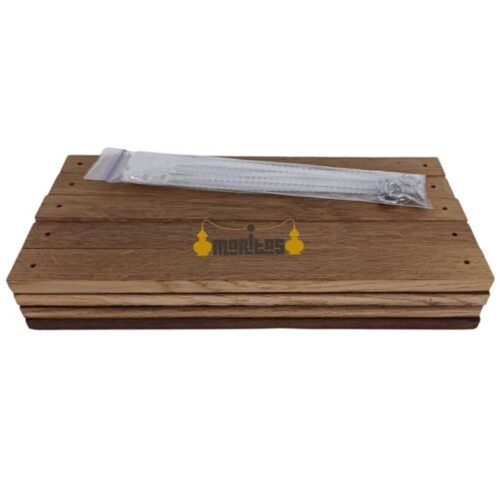
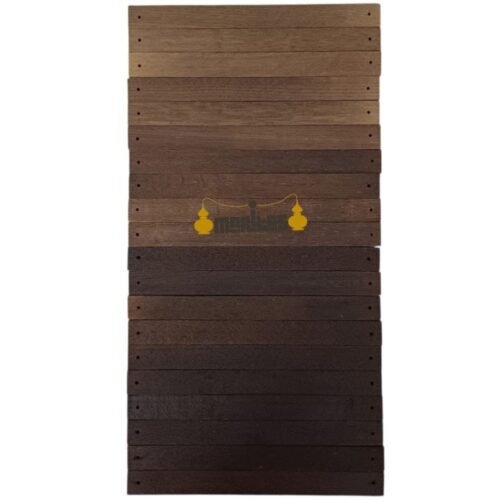
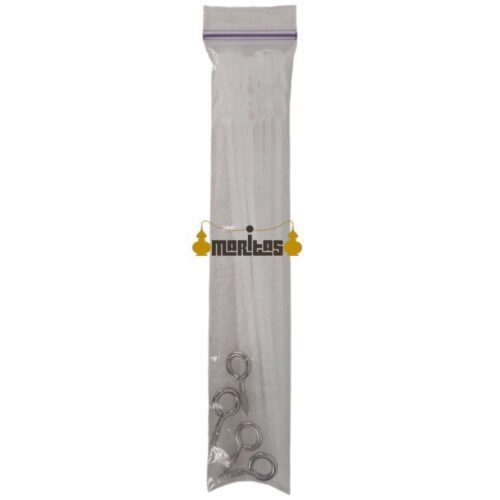
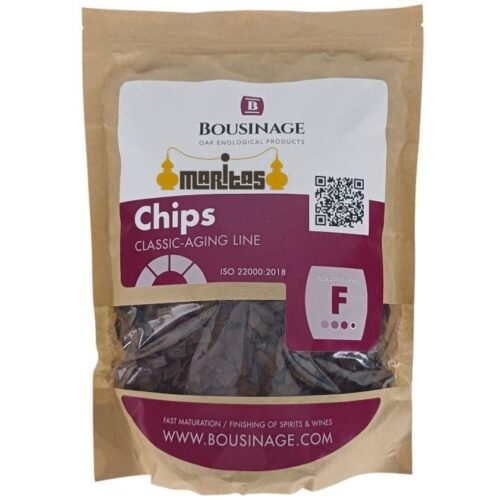
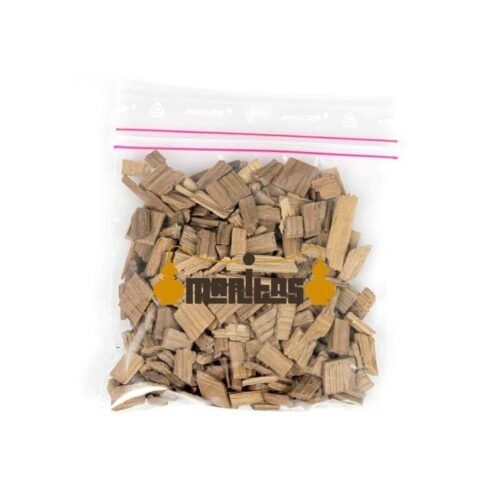
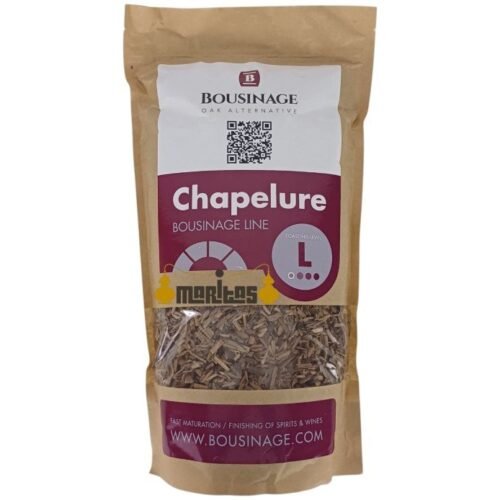
🌳 Aromas and quality
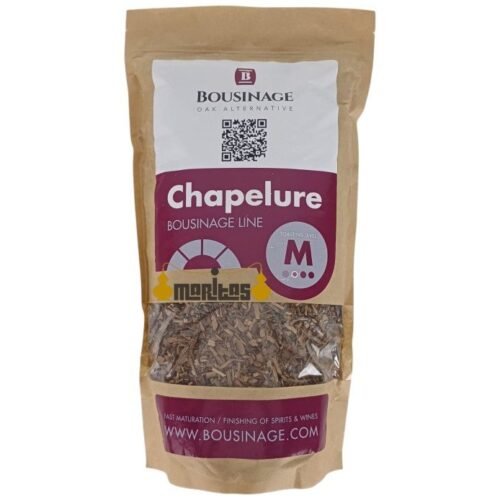
- They slowly infuse oak notes and tannins into the wine.
- At the same time, the wine continues to benefit from the advantages of controlled oxidation thanks to exchanges through the barrel wood, resulting in a beverage with well-integrated oak notes.
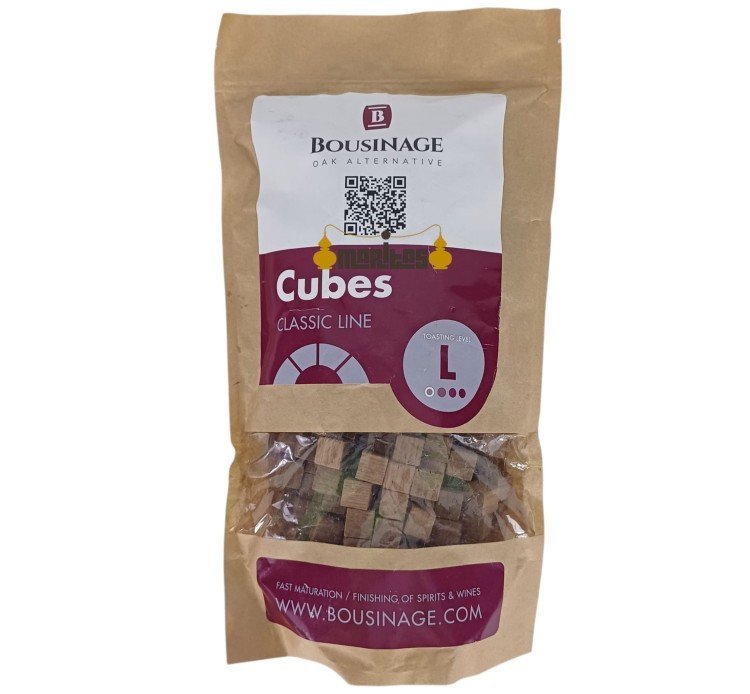
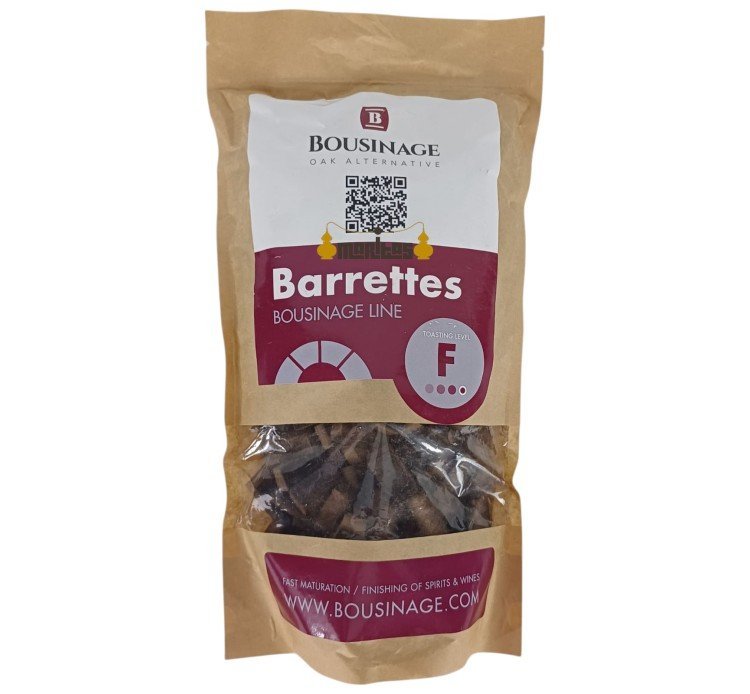
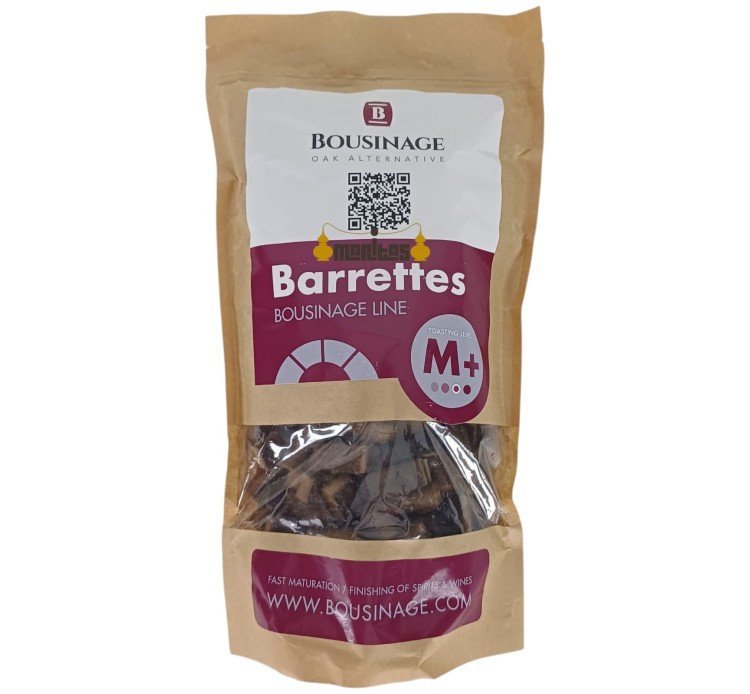
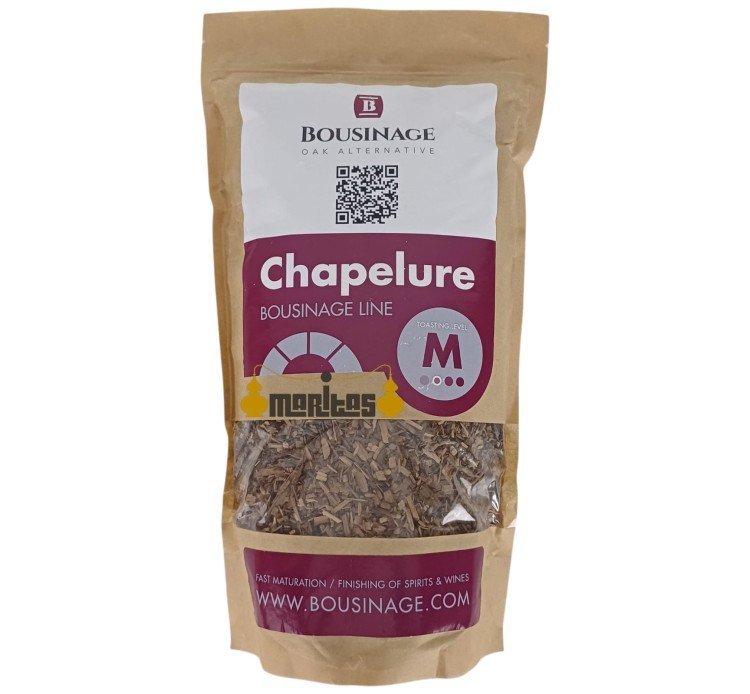
- They are used during aging in barrels, for the aging of white wines, rosés, red wines, and liqueurs.
- They are ideal for enriching the aromatic profile of beverages during multiple aging periods in already spent barrels.
- Made with quality raw materials, after atmospheric drying for at least 24 months in the open air.
- They require no additional treatment: ready to use immediately.
✅ Advantages
- Fixes color and improves structure.
- Adds body, density, and fullness of flavor.
- Aromatic complexity: coconut, vanilla, nuts, flowers, tea, smoke, spices.
- Reduces undesirable defects (sulfur, ethereal or herbal notes).
- Highlights the organoleptic versatility of the beverage.
🍷 Applications
- Beer and cider: aging.
- White wine: aging with light, medium, and medium plus toast (heavy toast is not recommended).
- Rosé wine: aging with light, medium, and medium plus toast (heavy toast is not recommended).
- Red wine: aging.
- Spirits: aging processes.
⚖️ Recommended dosage
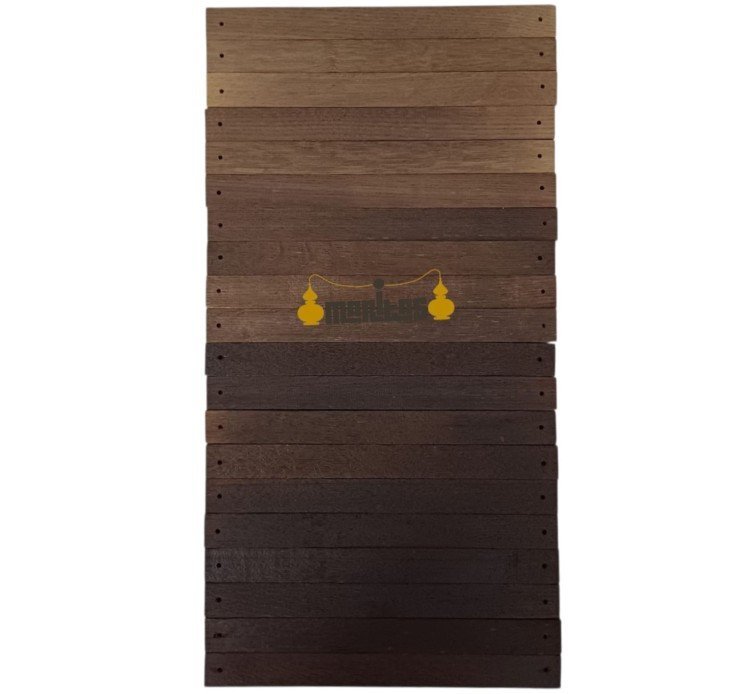
- Light: 1/2 slat/100L
- Medium: 1 slat/100L
- Medium +: 1.5 slat/100L
- Intense: 2 slat/100L
⌛ Contact time
- Depending on the expected results, after 5 months, aromas and colors similar to those obtained with barrel maceration can be appreciated.
Reviews
There are no reviews yet.